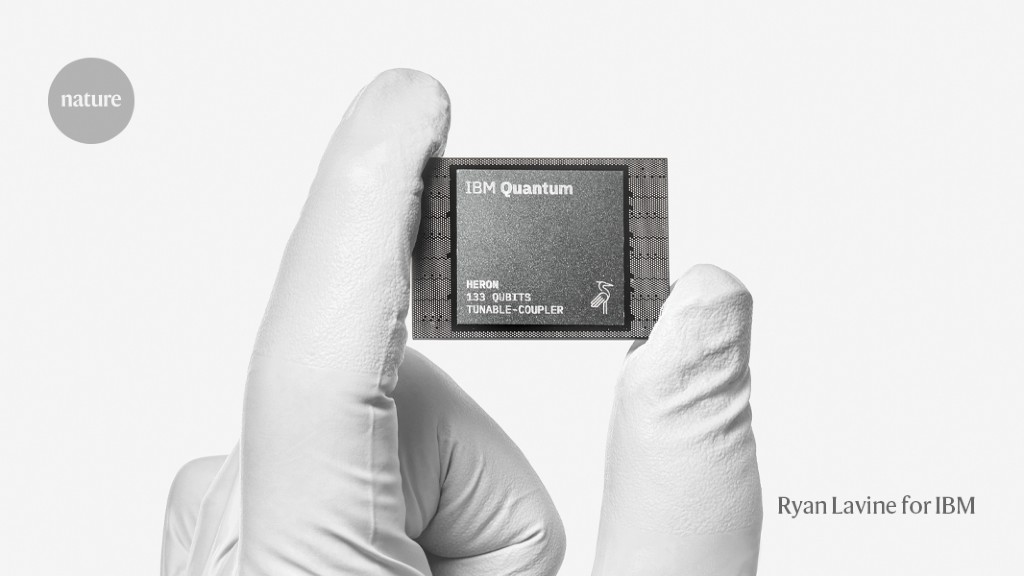
boem@lemmy.world to Technology@lemmy.worldEnglish · 2 years agoIBM releases first-ever 1,000-qubit quantum chipwww.nature.comexternal-linkmessage-square104fedilinkarrow-up1474arrow-down111
arrow-up1463arrow-down1external-linkIBM releases first-ever 1,000-qubit quantum chipwww.nature.comboem@lemmy.world to Technology@lemmy.worldEnglish · 2 years agomessage-square104fedilink
minus-square800XL@lemmy.worldlinkfedilinkEnglisharrow-up39arrow-down1·2 years agobreaking encryption algorithms
minus-squareCorhen@lemmy.worldlinkfedilinkEnglisharrow-up31arrow-down1·2 years agoFrom what i heard, even 1,000 qubits isn’t close to enough for modern passwords: https://www.nature.com/articles/d41586-023-00017-0
minus-squareRin@lemm.eelinkfedilinkEnglisharrow-up27arrow-down1·edit-210 months agodeleted by creator
minus-squareferret@sh.itjust.workslinkfedilinkEnglisharrow-up14arrow-down1·2 years agoReversing hashing algos is what people mean when they talk about quantum computers cracking passwords / encryption, though.
minus-squarefrezik@midwest.sociallinkfedilinkEnglisharrow-up5arrow-down1·2 years agoNo, they mean breaking RSA. The industry standard methods of storing passwords are resistant to QC attacks. Passwords could be broken while being passed between client and server under existing algorithms, but not the databases they’re stored in.


breaking encryption algorithms
From what i heard, even 1,000 qubits isn’t close to enough for modern passwords: https://www.nature.com/articles/d41586-023-00017-0
deleted by creator
Reversing hashing algos is what people mean when they talk about quantum computers cracking passwords / encryption, though.
No, they mean breaking RSA. The industry standard methods of storing passwords are resistant to QC attacks. Passwords could be broken while being passed between client and server under existing algorithms, but not the databases they’re stored in.