- cross-posted to:
- [email protected]
- cross-posted to:
- [email protected]
cross-posted from: https://lemmy.world/post/51580591
You must log in or # to comment.
Maybe that’s how artists without a scientific background would recreate the animal but that’s not how scientists would recreate the animal.
Sure. But to be fair, you take the fur off a bunny and it looks pretty similar to the scientist’s aproximation.
Have you shaved a rabbit?

“Haha. Women stupid”
Lemmy fucking loves misogyny.
Don’t forget racism, xenophobia, political extremism and misandry!
We have it all really. All inclusive if you think about it.
We hate everyone equally.
I had a hard time resolving the front legs:

I feel like they don’t attach where my brain initially expects them to and that throws me.
*What the animal’s skeleton looks like.
teeth would tell you it’s prey
Look at the bones man!
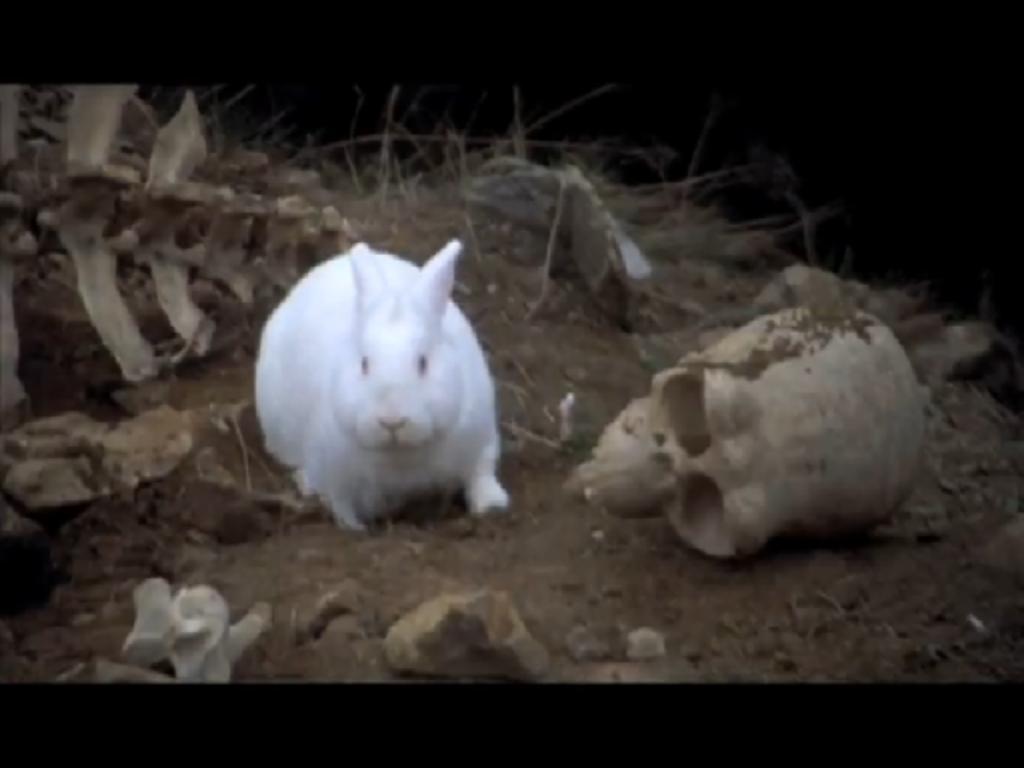
Teeth will tell you about the animal’s own diet - not whether it’s being preyed upon. Carnivores and omnivores are preyed on as well.
aren’t most obligate carnivores not directly eaten often?
It depends a bit on your scope. If you think of obligate carnivores as typically very large, possibly apex predators, then they might not be preyed on much in the traditional sense. But carnivores also number insects, arachnids, amphibians, reptiles, birds, and lots of smaller mammals like weasels, bats or cats that are themselves prey to other animals.
The point is that being ‘predator’ does not exclude an animal from also being prey. ‘Predator’ and ‘prey’ describe relationships, not mutually exclusive categories.
i get the point you are making, and i concede it
but i was specifically thinking mammal given the context and for which teeth would make it obvious
even the smaller ones, cats in natural habitats come to mind are apex, and i remember learning the avoidance of eating them had to do with parasite avoidance when other food was available
I did not realize weasels were obligate carnivores and bats were a great example as well
And that’s not even getting into the whole fish side of the thing!
*eye placement not teeth.
Prey animals have eyes on the sides of their head for better peripheral vision. Predators have eyes on the front for hunting.
same idea, oblique carnivores have special teeth
either way the counter argument to my thought was weasels and would work for eye location as well
Is that skeleton actually from a rabbit, or is it a hare? There’s not a huge difference, but hares definitely look way more like the drawing (minus the ears) than rabbits do.
deleted by creator
Fascinating! But I actually already knew all that, and I don’t think it answers my question?
Is that skeleton actually from a rabbit, or is it a hare
This would seem to indicate that it is
So my take away is that some dinosaurs probably had floppy ears.
New headcannon for sure! 😄
bnuuy
Get the holy hand grenade!
I mean, the skeleton looks as scared of the world as the bunny does, and the underfeathered reconstruction also has a vibe of mortal terror
i mean have you seen irl hairless versions of harry animals some really are nightmare fuel.