

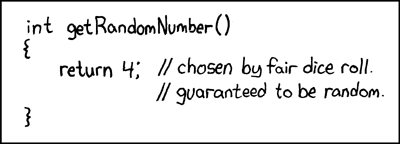
Astonishingly, the private keys were 4, 56, 66, 115, 155, 156, 230, 237.
exploiting compromised certificates requires an active adversary-in-the-middle attack, meaning the attacker must act as a proxy between two TLS parties and receive encrypted traffic, decrypt it, reencrypt it, and send it to the other party. Such capabilities, in some cases, are usually limited to only the most well-resourced attackers. People with control of a local network—at a coffee shop, university, or other organization—face much less of a challenge.
https://emudhra.we-have-a-problem.com/
Something like DANE, maybe? Only the websites actually using the compromised certificates would be compromised.
Conceptually, I get it. Esepecially if you go with the ‘DNS pinning of CA’ to have a ‘belt and suspenders’ approach where two chains of authority must be broken, one of which inherently tied to your name.
Practically speaking, DNSSEC hasn’t managed to get ubiquitous adoption. To the point where browsers started giving up and doing DNS over HTTPS to well known providers instead.
As nice as DANE is, it just shifts the burden of trust to your DNS provider. Like if you hop on Wi-Fi at a coffee shop, said network can simply MITM connections and supply their own certs via re-writing the DNS.
You can encrypt DNS to prevent that, but now you need a way to ensure your DNS client already trusts the desired DNS server, etc.
As much as people dislike CAs, they’re a proven solution to a problem that’s already implemented in nearly every device on the planet.
It can’t, because DANE requires the use of DNSSEC. Unfortunately, there are still so many domains that do not have a proper DNSSEC configuration… so it’s unlikely to work out well in practice, anyway.
edit: not to mention the DNS is centralized too. It’s federated, at least (in the original sense of the word, not the way it is used on the fediverse), but ICANN is still the only central authority at the end.