A California school district wanted electric bikes away from its younger students' campuses. The bikes did not necessarily disappear. Some of them moved
It should be pretty easy to tell by the type of motor it has. An e-bike with a low-watt motor isn’t going to suddenly become a menace by flipping a fancy switch.
Likewise if a bike has a motor capable of pulling 35 mph or whatever, then it doesn’t matter if they can turn a governor on to keep it below 25 mph. It’s still got the more powerful motor and will be classified as such
Not really, a 250W (average, not peak!) motor can exceed 25km/h easily on flat ground, the only difference to a stronger motor would be the acceleration.
Well, not “easily”. I think we can agree that all else being equal pedestrian outcomes are better when motors are 250W than 600W, whether or not limited. I think it’s totally reasonable to restrict unlicensed riders to motors with power output within normal human capacity, like 100-200W.
afaik, those numbers just don’t tell you a whole lot about the actual power of the motor. A “250W motor” could produce peak power output of 1kW during short bursts, as long as the average power over a longer time is at or below 250W, they’re fully legal.


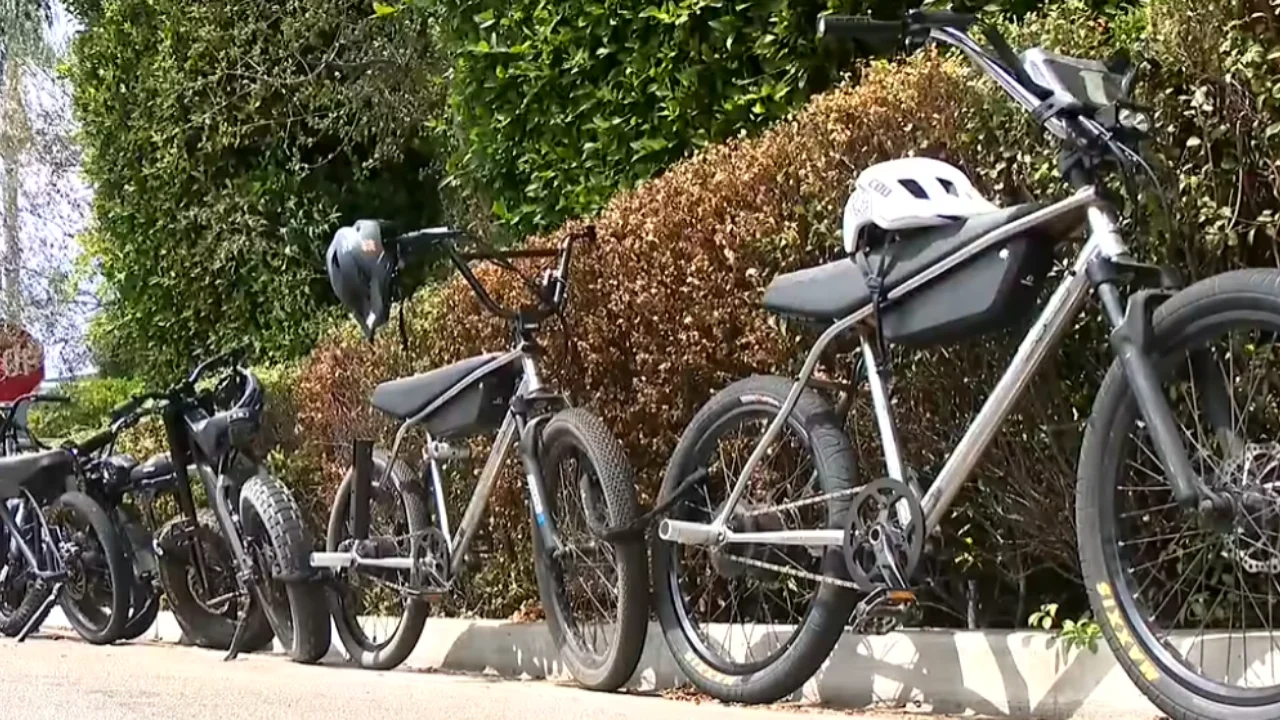
It’s so easy to hide a little switch to toggle “bike legal mode” on many models, in my experience that doesn’t really stop people, sadly.
It should be pretty easy to tell by the type of motor it has. An e-bike with a low-watt motor isn’t going to suddenly become a menace by flipping a fancy switch.
Likewise if a bike has a motor capable of pulling 35 mph or whatever, then it doesn’t matter if they can turn a governor on to keep it below 25 mph. It’s still got the more powerful motor and will be classified as such
Not really, a 250W (average, not peak!) motor can exceed 25km/h easily on flat ground, the only difference to a stronger motor would be the acceleration.
Disabling the electronic limit is the issue.
Well, not “easily”. I think we can agree that all else being equal pedestrian outcomes are better when motors are 250W than 600W, whether or not limited. I think it’s totally reasonable to restrict unlicensed riders to motors with power output within normal human capacity, like 100-200W.
afaik, those numbers just don’t tell you a whole lot about the actual power of the motor. A “250W motor” could produce peak power output of 1kW during short bursts, as long as the average power over a longer time is at or below 250W, they’re fully legal.