I’d take a model whose training data is open source and legitimately obtained. The only ones I know about are Apertus and OLMo, and they aren’t really competitive.
Unfortunately not yet, no, true FOSS models are likely many years away, but I would argue that that follows typical FOSS lifecycles. Emerging technology is typically outperformed by proprietary endeavors, which creates an audience, and then that audience undertakes a FOSS implementation that initially underperforms, then just about competes, then eventually overtakes (i.e, GNU/Linux).


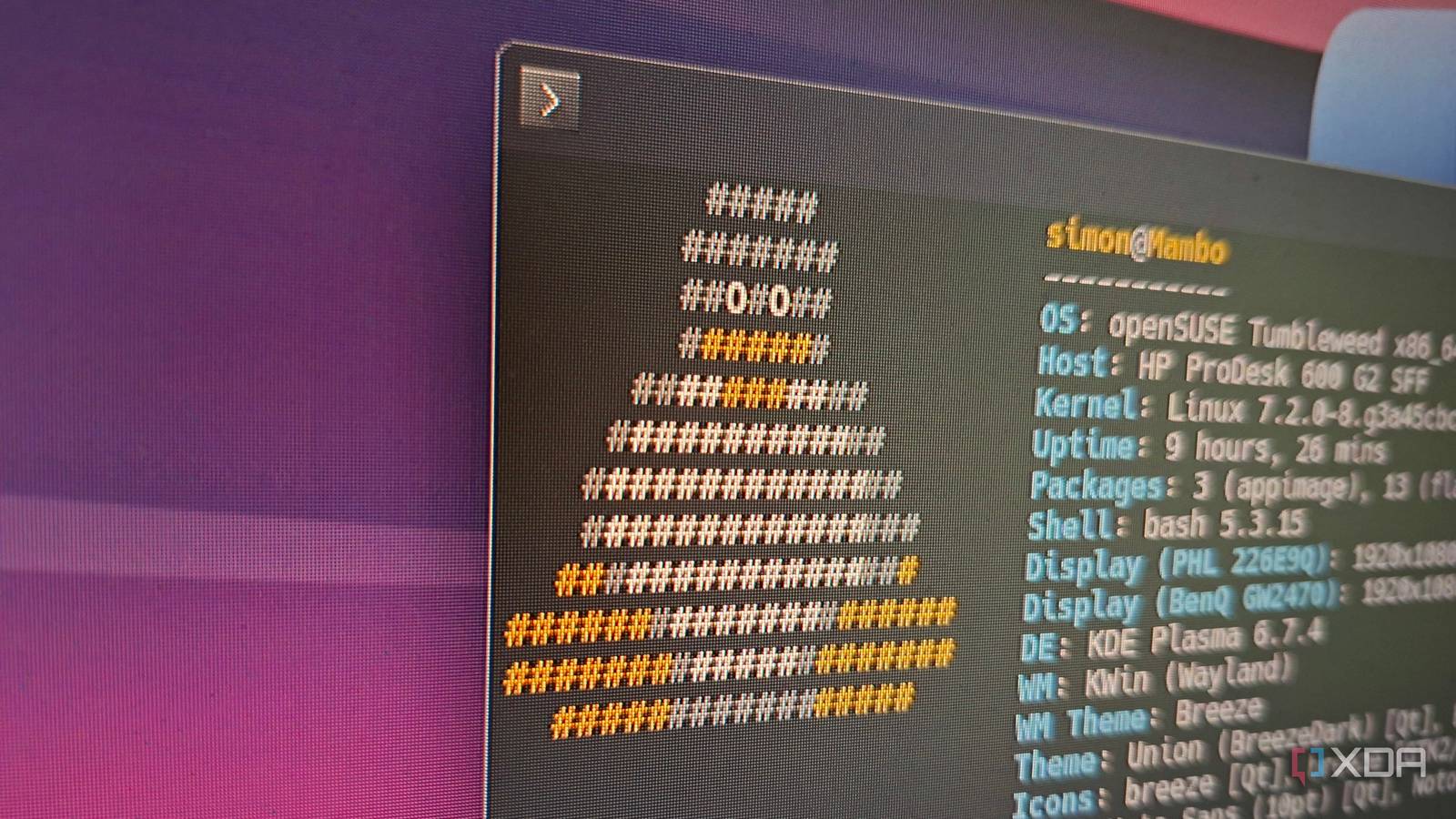
I’d take a model whose training data is open source and legitimately obtained. The only ones I know about are Apertus and OLMo, and they aren’t really competitive.
Unfortunately not yet, no, true FOSS models are likely many years away, but I would argue that that follows typical FOSS lifecycles. Emerging technology is typically outperformed by proprietary endeavors, which creates an audience, and then that audience undertakes a FOSS implementation that initially underperforms, then just about competes, then eventually overtakes (i.e, GNU/Linux).