The thing that really gets me is americans still believe they have something to offer Canadians. For heaven’s sake, america is now at 29 on the Transparency International ranking of Corrupt Countries. This list ranks countries on the basis of public bribery, misuse of public funds, abuse of public office for personal gain, nepotism in civil service, and state capture.
Think about that. The usa is more corrupt than the UAE. Why would anyone or any country want to drop to the level of the usa? There is nothing appealing about the usa anymore. The food is poison, the inequality is off the scale, the corruption allowing tech bros and billionaires to buy government, etc, etc, etc.
america has been sleep walking into the new slavery and cheer when they get beaten by another corrupt regime.
Edit addition. Lots of comments mention that the data is a couple of years old, and that more recent would show a much worse position. i suspect the comments are correct, but this is all that’s publicly available.
americans still believe they have something to offer Canadians
The US offers access to the US banking system, and protection of your maritime trade. It also does not like countries developing their own banking systems or overland trade routes (the hostility towards the Brazilian payment system is a recent example). This is something you’ll need to deal with (as in, build and defend an alternative, or join an existing system) if you want to become more independent.
Maybe I misunderstand, but can you explain what you mean about the banking system? Is it more for international transactions?
Canada has a banking system and our own payment system for consumer transactions called Interac. Canadian debit cards work differently than US ones, (or at least they used to). I worked at a tourist spot one summer and remember the US customers getting annoyed their cards didn’t work here. The transactions on the Canadian cards were real-time so overdraft wasn’t as much of a concern if you were using your card in a store. It would just get declined. Pre-authorized transactions and cheques are different, of course.
can you explain what you mean about the banking system? Is it more for international transactions?
It works on multiple levels:
Your citizens having accounts in US banks.
Your banks being dependent on US software.
Your banks relying on a US backend for domestic (person to person or customer to business or business to business) transactions.
Same as 3, but for international transactions.
Your citizens, businesses and banks using the US dollar for international transactions.
Each of these is a little tax or subsidy you pay to the US. They also expose you to US sanctions. So the more of these you can do locally, the better. In practice, you want to completely avoid 2 and 3, and minimise 1, 4 and 5.
our own payment system for consumer transactions called Interac
Good. You need to make sure everyone uses it. Make it easy to set up, remove any usage fees (at least temporarily), and make it the default option offered by banks. You can also add features like payment apps and integration with public transport / ride-sharing services.
Thanks for the response but I wonder if maybe there is a misunderstanding.
Canadians generally don’t have American bank accounts. Businesses who do business in the states have them and I’m sure some individuals do but it’s often about how hard it is to do financial transactions in the US with via a Canadian bank. I was involved in an org that made one large payment to the US each year and they set up an account to do it because it wasn’t worth the hassle otherwise. The US has way more restrictions than one might expect lol.
When I was asking about international transactions I meant more like country to country or something, not individual consumers or businesses.
Good. You need to make sure everyone uses it.
This also makes me wonder if we are talking about different things. Interac isn’t optional. It’s the only way to use your bank account to pay for things via a card. It is run by the banks and has been around since the 80s.
As far as I understand the Canadian banking infrastructure is independent of the US or any other country. A lot of the software is custom or even developed in house. (I know a few people who worked or work for banks as developers.)
You can also add features like payment apps and integration with public transport / ride-sharing services.
Yeah, this all exists and has for a very long time. Canada was ahead of the states in terms of some of that stuff because we have way fewer banks and tighter regulations so it was easier. I remember visiting family in the 2000s and being shocked people wrote cheques. I don’t think I had seen someone pay with a cheque in a store before. 1
Yeah which is why I REALLY hope the Carney government is planning to put a stopper on the proposed sale of Moneris to US private equity. That idea was a disaster for Canadians BEFORE this current bullshit.
Before any of that, canada needs to build a proper oil pipe from Alberta to ontario that does not cross into the US. Thats a choke point for it right now.
I think you misread that - I don’t think the wiki says that, and the CPI’s own site says “100 is very clean and 0 is highly corrupt”
actually I apologise and take that back, you are in fact correct - I now see that there’s two different numbers: firstly the CPI score, which for the US in 2025 is 64/100 - this is the one where “100 is very clean and 0 is highly corrupt”. Secondly there’s the ranking, which is how a country’s score places it in relation to the other 182 countries under consideration - a lower ranking means public services are more transparent than other countries. In 2025, the US was ranked at place 29.
In 2024, its score was 65, so there hasn’t been a big drop since Trump returned to the White House.
There’s a lot of really grim countries full of really cool people. That makes it worse that so many Americans are as mean and delusional as the bastards in charge.
iirc it was also pointed out that countries like the US and UK also tend to just legalise a lot of corrupt seeming shit which keeps them higher on the scale since its no longer technically corruption.


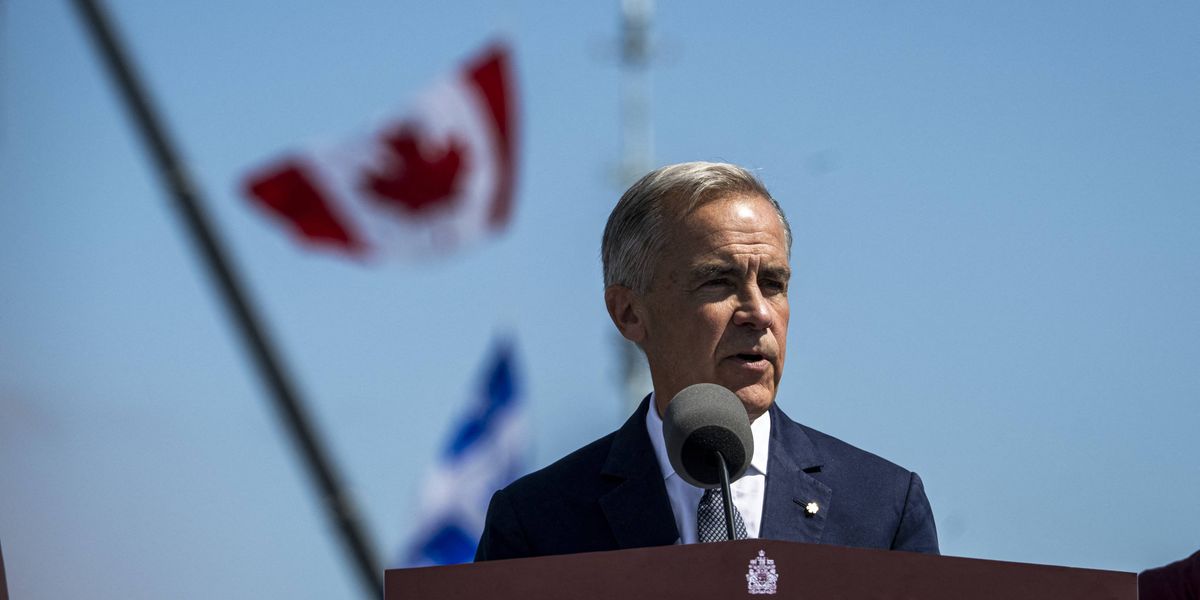
The thing that really gets me is americans still believe they have something to offer Canadians. For heaven’s sake, america is now at 29 on the Transparency International ranking of Corrupt Countries. This list ranks countries on the basis of public bribery, misuse of public funds, abuse of public office for personal gain, nepotism in civil service, and state capture.
Think about that. The usa is more corrupt than the UAE. Why would anyone or any country want to drop to the level of the usa? There is nothing appealing about the usa anymore. The food is poison, the inequality is off the scale, the corruption allowing tech bros and billionaires to buy government, etc, etc, etc.
america has been sleep walking into the new slavery and cheer when they get beaten by another corrupt regime.
Edit addition. Lots of comments mention that the data is a couple of years old, and that more recent would show a much worse position. i suspect the comments are correct, but this is all that’s publicly available.
The US offers access to the US banking system, and protection of your maritime trade. It also does not like countries developing their own banking systems or overland trade routes (the hostility towards the Brazilian payment system is a recent example). This is something you’ll need to deal with (as in, build and defend an alternative, or join an existing system) if you want to become more independent.
Maybe I misunderstand, but can you explain what you mean about the banking system? Is it more for international transactions?
Canada has a banking system and our own payment system for consumer transactions called Interac. Canadian debit cards work differently than US ones, (or at least they used to). I worked at a tourist spot one summer and remember the US customers getting annoyed their cards didn’t work here. The transactions on the Canadian cards were real-time so overdraft wasn’t as much of a concern if you were using your card in a store. It would just get declined. Pre-authorized transactions and cheques are different, of course.
It works on multiple levels:
Each of these is a little tax or subsidy you pay to the US. They also expose you to US sanctions. So the more of these you can do locally, the better. In practice, you want to completely avoid 2 and 3, and minimise 1, 4 and 5.
Good. You need to make sure everyone uses it. Make it easy to set up, remove any usage fees (at least temporarily), and make it the default option offered by banks. You can also add features like payment apps and integration with public transport / ride-sharing services.
Thanks for the response but I wonder if maybe there is a misunderstanding.
Canadians generally don’t have American bank accounts. Businesses who do business in the states have them and I’m sure some individuals do but it’s often about how hard it is to do financial transactions in the US with via a Canadian bank. I was involved in an org that made one large payment to the US each year and they set up an account to do it because it wasn’t worth the hassle otherwise. The US has way more restrictions than one might expect lol.
When I was asking about international transactions I meant more like country to country or something, not individual consumers or businesses.
This also makes me wonder if we are talking about different things. Interac isn’t optional. It’s the only way to use your bank account to pay for things via a card. It is run by the banks and has been around since the 80s.
As far as I understand the Canadian banking infrastructure is independent of the US or any other country. A lot of the software is custom or even developed in house. (I know a few people who worked or work for banks as developers.)
Yeah, this all exists and has for a very long time. Canada was ahead of the states in terms of some of that stuff because we have way fewer banks and tighter regulations so it was easier. I remember visiting family in the 2000s and being shocked people wrote cheques. I don’t think I had seen someone pay with a cheque in a store before. 1
Yeah which is why I REALLY hope the Carney government is planning to put a stopper on the proposed sale of Moneris to US private equity. That idea was a disaster for Canadians BEFORE this current bullshit.
Before any of that, canada needs to build a proper oil pipe from Alberta to ontario that does not cross into the US. Thats a choke point for it right now.
Alberta does not have the refining capacity for that.
number 29 with a bullet.
and cronyism, which some people wierdly try to make that distinction from nepotism, eventhough people really means both.
At 29? I’d expect it to be at like 234th place these days.
Smaller number is more corrupt
Edit: nvm I’m dumb, read the replies for why.
Americans cheering about being number 1 all the time, they are getting closer.
This is incorrect, per wikipedia: https://en.wikipedia.org/wiki/Corruption_Perceptions_Index
I think you misread that - I don’t think the wiki says that, and the CPI’s own site says “100 is very clean and 0 is highly corrupt”actually I apologise and take that back, you are in fact correct - I now see that there’s two different numbers: firstly the CPI score, which for the US in 2025 is 64/100 - this is the one where “100 is very clean and 0 is highly corrupt”. Secondly there’s the ranking, which is how a country’s score places it in relation to the other 182 countries under consideration - a lower ranking means public services are more transparent than other countries. In 2025, the US was ranked at place 29.
In 2024, its score was 65, so there hasn’t been a big drop since Trump returned to the White House.
Well hell I misunderstood that as well.
There’s a lot of really grim countries full of really cool people. That makes it worse that so many Americans are as mean and delusional as the bastards in charge.
iirc it was also pointed out that countries like the US and UK also tend to just legalise a lot of corrupt seeming shit which keeps them higher on the scale since its no longer technically corruption.